
Vintage Car Insurance

What This Page Covers
- Why vintage cars need specialized collector car insurance
- How vintage, classic, and antique vehicles are commonly categorized
- Key coverage considerations, including agreed value, storage, repairs, and rare parts
Why This Matters
- Vintage vehicles often require specialty repair shops, rare parts, and coverage that reflects their true value
- Standard auto insurance may not account for restoration quality, historical significance, or collector value
- The right policy helps protect both the vehicle’s financial value and its place in automotive history
Key Actions You Can Take
- Confirm how your vehicle is classified and gather documentation of its condition, value, and restoration history
- Review storage requirements, mileage limits, and available coverage add-ons
- Ask about agreed value coverage, roadside assistance, international coverage, and specialty repair support
Why You Need Classic Auto Insurance for Your Vintage Car
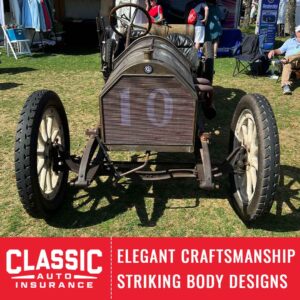
 Vintage collector cars exude elegant craftsmanship with striking body designs. While their performance is limited compared to today’s standards, they preserve automotive history. As a guardian of this heritage, you need the best insurance available.
Regular car insurance works for newer vehicles, but specialized classic car insurance is better for vintage models. Classic car insurance is designed for older vehicles needing specialty repair shops, rare parts, and maintenance, often at a lower cost than regular auto insurance. When you review different companies offering classic car insurance coverage, consider what the specific classic car insurance covers.
Classic Auto Insurance features premier car insurance for vintage cars with agreed-value coverage to suit your unique needs. Your classic car policy includes benefits like flexible mileage plans, inflation guard, trip interruption, and pet injury. In the event of an accident, our classic car insurance policy pays for damages from accidents or covered incidents. We offer insurance products classic drivers trust. Contact us at 888-901-1338.
Add-ons include international coverage, windshield replacement, and nationwide roadside assistance with towing service.
What Makes a Car Vintage and Not a Classic or Antique Car
 People frequently use “vintage,” “classic,” and “antique” interchangeably. For general information about how vehicles qualify for different categories, age is the primary factor. A “vintage” car describes automobiles from around 1919 to 1930. Those produced in this period are categorized as “vintage” collector items. Vehicles that qualify as antiques were typically manufactured between the 1930s to mid-1970s. As an example, a 1935 Packard would be considered an antique vehicle rather than vintage.
The term “classic car” is especially overused. Technically, a classic car is one produced between the mid-1970s and 2005, including iconic muscle cars like the Pontiac Firebird Trans Am.
While “classic” refers to a specific period, vintage and antique insurance usually fall under “classic car insurance.” Classic Auto Insurance provides collectors with exceptional collector car insurance for many different types of older vehicles, including vintage, antique, and classic car coverage. We even protect custom vehicles like hot rods. We have insurance coverage to protect your collector investment.
Types of Vintage Cars We Insure
Classic Auto Insurance offers reliable coverage for various vintage vehicles, including two iconic automobiles: The Ford Model T and the Rolls-Royce Phantom I.
Ford Model T
The “Tin Lizzie” Ford Model T made automobiles accessible to middle-class Americans. As the first mass-produced automobile, it served a foundational role in automotive development. This classic car represents important history, deserving proper insurance protection.
Ford sold over 15 million Model Ts from 1908 to 1927, remaining the best-selling automobile until the Volkswagen Beetle overtook it in 1972.
As a collector owning such a historic classic, you need specialized insurance to protect its value.
Rolls-Royce Phantom I
Rolls-Royce introduced the stunning Phantom I in 1925 with a larger straight-6 engine with 7,668 cc with overhead valves. Its elegant body style helped establish Rolls-Royce as a premier luxury automaker. A classic car like this requires comprehensive classic car insurance coverage from an experienced insurer who understands its true value.
Is a Vintage Car Right for You?
 Before investing in a vintage collector car, there are many factors. These vehicles have usage restrictions, lacking modern conveniences and safety features. If you’re a daily driver wanting a classic or collector car for frequent use, consider a more recent vehicle. Many classic car insurance companies understand that some collector vehicles are used more frequently and offer coverage accordingly.
Maintenance and costs are crucial considerations. Necessary repairs might require rare factory-correct parts. You’ll need an experienced mechanic if you can’t provide service yourself. Your insurer should provide a classic car insurance policy that accounts for the unique value of your vehicle. Classic car insurance coverage often allows you to pay less while getting more comprehensive protection than regular insurance.
Storing Your Vintage Car
 Storage requirements are another important consideration. Vintage cars need a secure, dry space with climate control and clean concrete flooring. Consider using a dehumidifier. Common storage locations include private garages and units from reputable businesses. Your antique car insurance policy may require certain storage conditions to keep your coverage valid.
When preparing for long-term storage for your collector:
- Replace fluids, oil, and filter
- Air up tires
- Use a battery tender
- Wash and wax
- Clean the interior
- Use tire chocks rather than the parking brake
- Leave baking soda to deodorize
Proper storage preserves value and reduces the need to file a claim for preventable damage. Many classic car insurance companies offer advice on proper storage services.
How Agreed-Value Coverage Can Save You Money
A major factor distinguishing collector car insurance coverage from standard auto policies is agreed-value coverage. Regular insurance companies generally dictate value based on mileage, depreciation, age, and market value without consulting owners.
Classic insurance policies should consider rarity, historical significance, restoration quality, and authenticity. Classic Auto’s collector car insurance starts with agreed value coverage, with our agents determining your vintage collector car’s true worth.
What Agreed-Value Coverage Compensates
The agreed-value amount compensates you for a total loss or covered total loss minus your deductible, ensuring you’re completely covered when you file a claim. Unlike standard insurance where your insurer might pay you less than expected, with agreed value coverage, you know exactly what you’ll receive if you need to file a claim for a total loss.
Many companies offer some form of classic car insurance, but not all provide the specialized service that collector vehicles require. Review different policies to find one that truly understands the value of your classic and offers appropriate coverage.
Get Tailored Collector Car Insurance for Your Vintage Vehicle
 If you’re the proud owner of a vintage treasure or another type of collector item, safeguard it with Classic Auto Insurance. Our classic car insurance is designed specifically for collector vehicles and not daily drivers. Learn additional information about our exceptional insurance service by calling 888-901-1338 or click here for an instant quote.
With Classic Auto Insurance, you pay reasonable rates for comprehensive coverage that protects your classic investment. Our team understands that collector vehicles have unique needs that regular car insurance policies can’t adequately address.
In the unfortunate event of an accident, having the right coverage means you won’t have to worry about finding appropriate repair services. We maintain relationships with specialty shops that understand how to properly restore classic vehicles using correct parts and techniques after a claim.
A covered total loss can be a devastating event for a classic car enthusiast. Unlike standard policies that may leave you undercompensated, our specialized classic car insurance ensures you receive the agreed-upon value, helping you replace your treasured ride or invest in another classic vehicle.
The passion for antique vehicles and classic cars goes beyond mere transportation—it’s about preserving automotive history. Learn more about classic car insurance for your vintage car by calling an insurance agent at 888-901-1338, or get an instant quote here.
Common FAQs About Vintage Car Insurance
How does vintage car insurance differ from classic car insurance in terms of eligibility and coverage limits?
Vintage car insurance is usually designed for older collector vehicles, often from a specific era, rather than standard classic car coverage. Coverage limits may depend on the vehicle’s agreed value, condition, rarity, storage, mileage, and use.
Can you insure a vintage car that is still being restored or is not yet roadworthy?
In many cases, yes, but the coverage may need to reflect the vehicle’s current condition and restoration stage. If your vintage car is not yet roadworthy, ask Classic Auto Insurance about the protection available for storage, transport, parts, or ongoing restoration work.
What documentation is required to prove a car qualifies as a vintage vehicle for insurance purposes?
You may need to provide the vehicle’s VIN, year, make, model, photos, mileage, ownership records, and documentation of its condition or restoration history. Appraisals, receipts, or comparable sales may also help support the vehicle’s agreed value.
Does vintage car insurance cover international shipping or transport to overseas events?
Not always. If you plan to ship your vintage car internationally or take it to an overseas event, ask whether you need additional international coverage, transport coverage, or specialty protection for the trip.
How do insurance companies determine replacement parts value for rare or discontinued components?
Insurance companies may consider parts rarity, availability, condition, authenticity, market value, and the cost of sourcing or fabricating correct components. For vintage cars, agreed-value coverage and strong documentation can help ensure rare parts and restoration quality are properly considered.
Are there mileage restrictions with vintage car insurance, and how are they enforced?
Yes, many vintage car insurance policies include mileage restrictions because these vehicles are typically used for pleasure driving, shows, tours, or occasional events rather than daily commuting. Insurers may verify mileage through odometer readings, applications, renewals, service records, or claims information.
Can you bundle vintage car insurance with other collector vehicles under one policy?
Yes, many insurers allow owners to insure multiple vintage, classic, antique, or collector vehicles together. If you own more than one specialty vehicle, ask Classic Auto Insurance about multi-vehicle options or possible discounts.